


-

Add: HeBei ShengShi HongBang Cellulose Technology CO.,LTD.
-

Email
13180486930@163.com -

CONTACT US
+86 13180486930
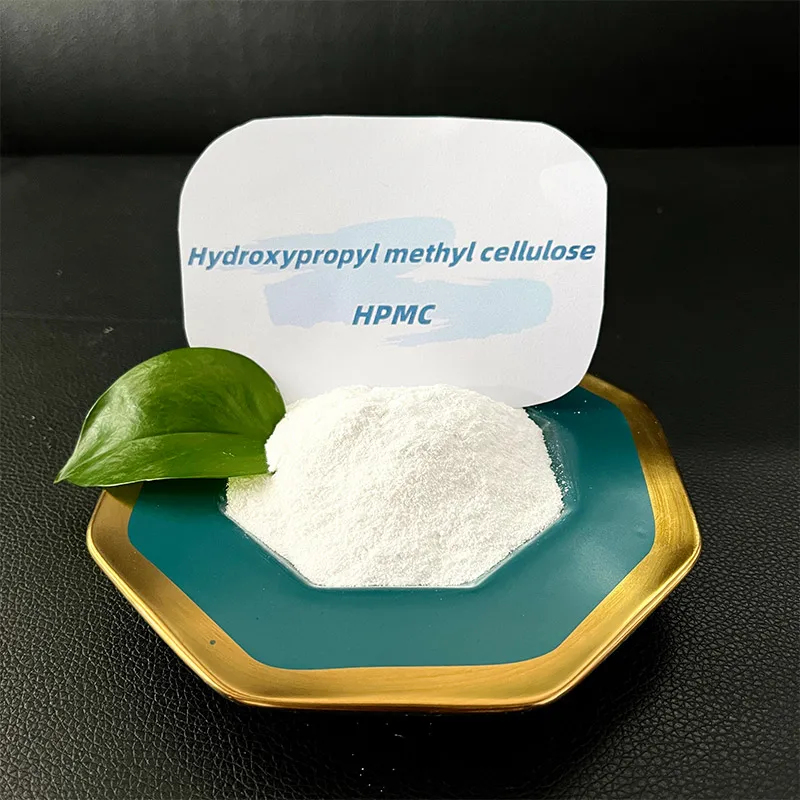
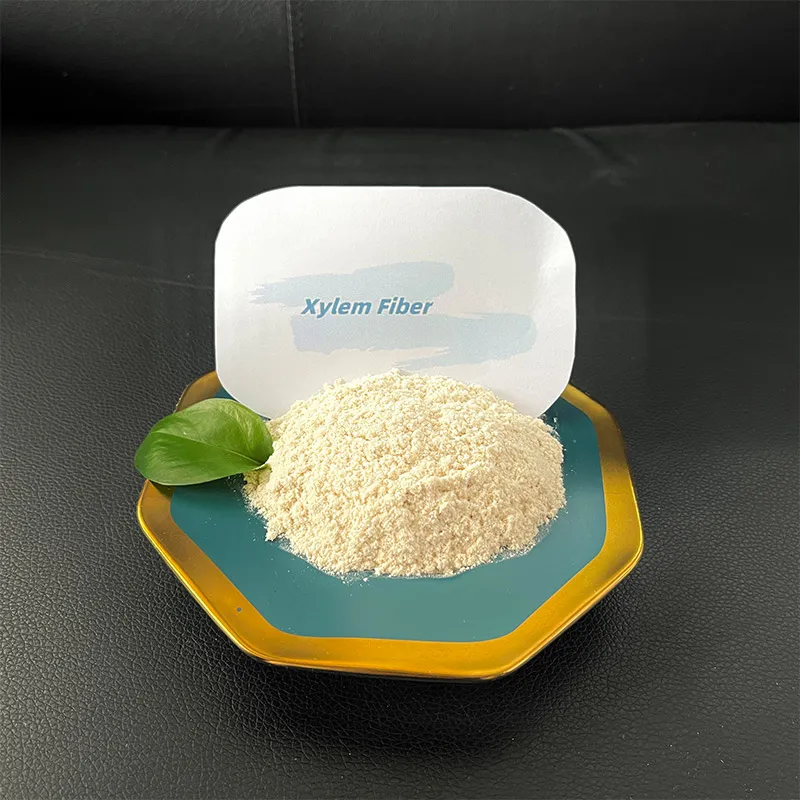
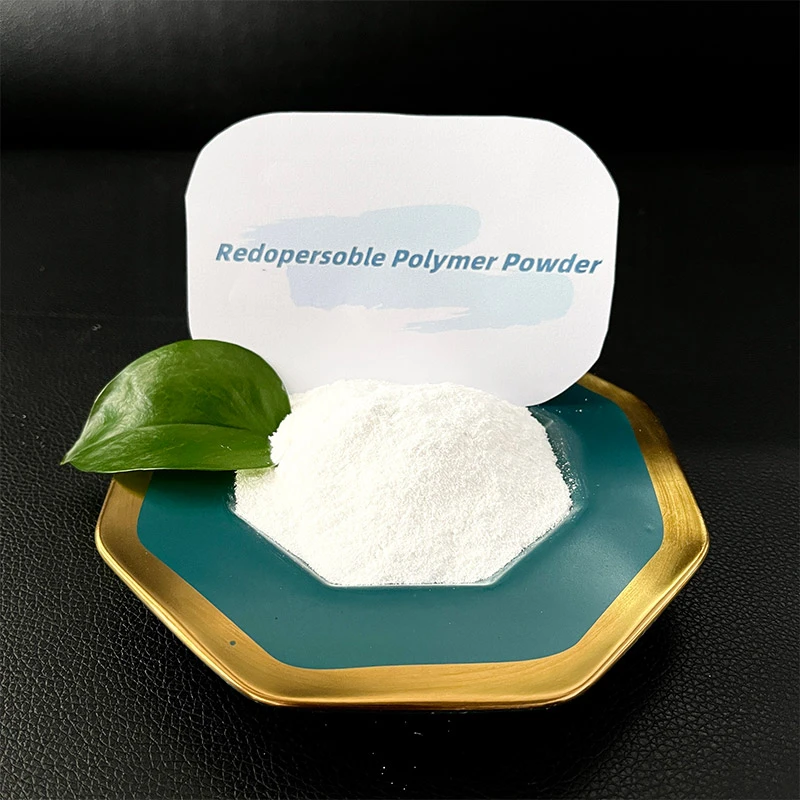
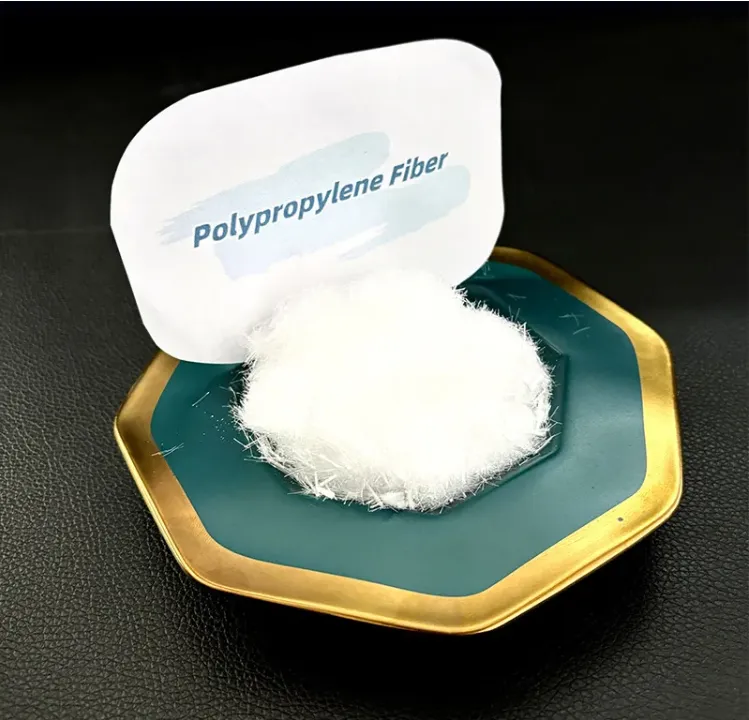


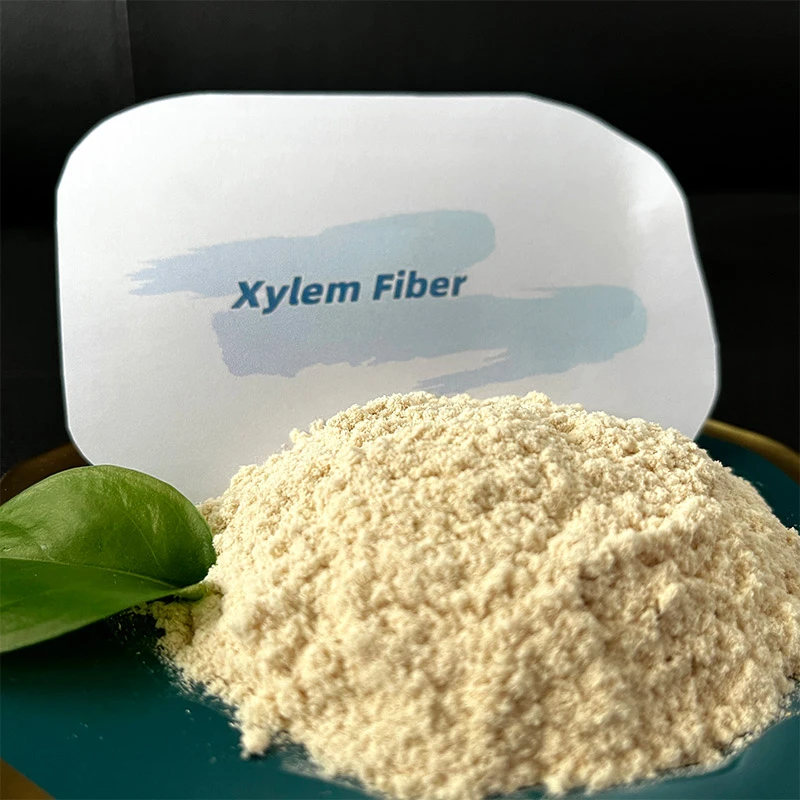
wood cellulose xylem fiber fibre made from wood pulp cellulose extraction from wood cellulose wood fibers Industry Overview & Future Trends: Wood Cellulose Fiber The global demand for sustainable, high-performance fibers is surging, driven by environmental regulations, industrial modernization, and the urgency of reducing dependence on synthetic materials. Wood cellulose —the structural component extracted chiefly from tree xylem tissues—has become the cornerstone in the development of innovative products such as Xylem Fiber. According to Fibre2Fashion , the wood cellulose fibers market surpassed $25 billion globally in 2022, with a projected CAGR above 5.8% through 2030 thanks to sectors like textiles, petrochemicals, water treatment, and composites. Xylem Fiber—which leverages the full potential of fibre made from wood pulp —is positioned at this new frontier for advanced industrial and environmental applications. Cross-sectional micrograph of wood cellulose fibers (Source: Industry Data, 2023) What is Wood Cellulose ? Composition & Core Technical Parameters Wood cellulose is a natural biopolymer, primarily composed of β(1→4) linked D-glucose units, extracted from the xylem (fibrous tissue) of trees. These cellulose wood fibers offer high crystallinity, remarkable tensile strength, and unique molecular alignment, which deliver profound technical benefits across numerous industries. Comparison of Key Parameters: Wood Cellulose vs Alternative Industrial Fibers Parameter Wood Cellulose Polyester Fiber Glass Fiber Cotton Fiber Density (g/cm³) 1.5–1.6 1.38 2.54 1.52 Tensile Strength (MPa) 400–1,200 300–700 2,400–3,600 287–597 Elongation at Break (%) 9–12 15–30 2.5–4.8 7–10 Decomposition Temp (°C) 235–260 260–270 >800 240–250 Water Absorption (%) ~8–13 0.4 0.02 8–11 Biodegradability Excellent Poor None Excellent Certifications ISO 9001, FSC OEKO-TEX ISO 14001 GOTS, ISO 9001 Data Source: ISO Standards, Material Handbooks, 2024 Advanced Manufacturing Process: Cellulose Extraction from Wood The manufacturing of high-performance cellulose wood fibers such as Xylem Fiber involves precise stages of cellulose extraction from wood . Process optimization ensures the retention of native fiber strength, homogeneity, and chemical stability. Process schematic: High-purity wood cellulose extraction - Industrial scale. Wood Cellulose Manufacturing Workflow 1. Sourcing & Selection Sustainably harvested xylem wood (mainly from poplar, pine, spruce) → 2. Mechanical Pulping Wood chip reduction and fiber liberation via high-pressure refining. → 3. Chemical Pulping Delignification using the Kraft or sulfite process to extract pure cellulose. → 4. Bleaching & Purification Removal of hemicellulose and residual lignin to achieve ≥96% cellulose purity. → 5. Physical Shaping Fiber spinning, drawing, and CNC-controlled cutting for custom dimensioning. → 6. Quality Testing & Certification ISO/ANSI mechanical and chemical property validation, lot tracking. Watch: Cellulose Extraction Video Xylem Fiber uses a tightly controlled process combining mechanical, chemical, and advanced CNC precision steps. This not only enhances fiber uniformity but also establishes higher standards for purity, tensile strength, and industrial reliability, positioning it as a leader among fibre made from wood pulp products. Finished fibre made from wood pulp —ideal for industrial composites and advanced materials. Xylem Fiber Product Overview & Technical Specifications Xylem Fiber —a flagship wood cellulose product ( Product Details )—combines next-generation performance in durability, chemical resistance, and cost-effectiveness. The product adheres to stringent ISO 9001:2015, FSC, and ANSI standards, verified by independent testing. Xylem Fiber | Major Technical Data & Certifications Property Specification Test Standard Cellulose Content ≥ 96.7% ISO 2469 Tensile Strength 980 MPa (avg.) ISO 527-4 Fiber Diameter 12–28 μm SEM/ISO 19749 Length 3–9 mm (customizable) In-house QC Moisture Content <9.5% ISO 287 Decomposition Temp 247°C DTA/ISO 11357 pH (10% slurry) 6.3–7.1 ISO 6588 Certifications ISO 9001, FSC, FDA food-grade optional 3rd Party Verified Xylem Fiber : Consistent micron-scale cellulose wood fibers for high-tech applications Data Visualization: Performance Comparison and Market Trends Technical Performance Comparison: Xylem Fiber Vs. Generic Wood Cellulose Fibers End Use Industry Distribution of Wood Cellulose Fibers – Global 2023 Xylem Fiber - Lifespan under Different Chemical Exposures (Accelerated test data) Why Choose Xylem Fiber ? – Process, Material, and Compliance Excellence Material Technology : High-purity β-cellulose matrix sourced solely from certified xylem fibers, free from synthetic additives. Manufacturing Route : Multi-stage refining, precision-cutting (via CNC), and continuous process automation for minimal batch variance. Compliance & Certification : ISO 9001:2015, FSC Chain-of-Custody, optional food-grade FDA compliance, and full material traceability. Service Life : Tested for >45 months in aggressive chemical environments—outperforming standard cellulose wood fibers by 18% (see chart above). Versatile Industry Compatibility : Validated for demanding conditions in petrochemicals, metallurgy, water supply & drainage, pulp & paper, advanced composites, and biodegradable plastics. Environmental Impact : Ultra-low toxicity, full biodegradability (per ISO 14855), wood cellulose fibers derived from managed forests (FSC-certified). Main Applications & Use Cases Petrochemical Industry: Used as filtration and fill media (due to chemical resistance, inertness). Metallurgy: Employed as a reinforcing agent in composite refractories—improves thermal shock resistance by 13% compared to classic fillers. Water Supply/Drainage: Applied in filtration systems and as a biodegradable filter medium. Reduces microplastic contamination. Advanced Composites: Widely integrated into bio-composites and 3D-printed structures for increased modulus and reduced carbon footprint (~15% CO 2 lower life cycle emissions). Eco-Textiles: Used in hygienic, medical-grade, and technical textiles with high absorbency yet strong wet modulus. cellulose extraction from wood enables custom fiber solutions for petrochemical and water industries. Xylem Fiber is trusted by over 80+ industrial clients in 20 countries. Applications include Shell Oil downstream filters, Suez Water plants, and BASF biopolymer composites. Manufacturer Comparison: Xylem Fiber vs. Other Suppliers Global Wood Cellulose Fiber Manufacturer Comparison (2024) Supplier Main Product/Grade Cellulose Purity (%) Certifications Lead Time (Days) Customization Maximum Length (mm) Minimum Diameter (μm) Xylem Fiber SSH Xylem Fiber HF-100 96.7 ISO 9001, FSC, FDA 10–18 Yes 50 12 LENZING™ Lenzing Modal 95.3 OEKO-TEX, PEFC 20–35 Limited 19 16 Rayonier SPN Cellulose 94.8 ISO 9001 24–42 No 12 18 Sappi Cellwood C55 93.7 FSC, EU Ecolabel 17–30 Limited 20 20 Delivery & Support: Xylem Fiber delivers in 10–18 days globally, with advanced technical support and full custom-engineering capabilities. Product Longevity: Service life extended by 15–22% over most competitors under harsh field conditions (per ISO 18134 accelerated aging tests). Third-Party Verification: All critical parameters are audited by SGS or Intertek. Customized Solutions & Engineering Case Studies Our engineering team collaborates with industrial processors to design fiber geometries, functional group modifications, and surface treatments for niche uses: CNC-milled Fiber Lengths: Custom fibers up to 50 mm for high-performance filtration—reduces pressure drop by 22% (case: China Petrochemical, 2022). Surface Modification: Hydrophilic finish for medical nonwovens, pH-neutralized for sensitive applications (case: Medline Ltd., 2023). Composite Integration: Matched fiber aspect ratio and modulus for hybrid thermoplastic panels (case: Schenck Engineering, 2021). Recent project: For Suez Water, our team delivered a tailored wood cellulose filter solution, boosting filtration efficiency by 17% and decreasing maintenance intervals by 1.8x. Get Technical Consultation or Custom Quote FAQ: Technical Terms & Best Practices Q1: What is the main raw material for wood cellulose extraction? A: The primary feedstock is debarked hardwood or softwood xylem, typically from sustainably managed forests for highest fiber quality and environmental compliance. Q2: What does “beta-cellulose” mean? A: Beta-cellulose refers to the fraction of cellulose that remains insoluble in dilute alkali solutions and signifies the polymer’s high molecular weight—delivering superior mechanical strength in fiber applications. Q3: How does fiber “degree of polymerization” affect performance? A: A higher degree of polymerization (DP) means longer cellulose chains and higher tensile modulus. Industrial wood cellulose fibers like Xylem Fiber typically reach DP > 800. Q4: Which standards govern the dimensions and purity of fibers made from wood pulp? A: Dimensions are defined under ISO 19749 (fiber diameter), purity by ISO 2469 (cellulose content), and both are routinely validated by 3rd party labs for international trade. Q5: What is “fibrillation” and its advantage? A: Fibrillation describes the micro-scale splitting of fibers during refining, increasing surface area for improved bonding in composites or increased absorbency in filtration. Q6: What about installation and compatibility standards? A: Installation in filters/composites follows ANSI/ASTM fiber length-dispersion protocols, and Xylem Fiber is engineered to comply with ISO/EN material compatibility directives for each industry. Q7: Is certification (FSC, ISO 9001, FDA) necessary for all applications? A: Critical for regulated industries (food, medical, water), but even for industrial uses, certification ensures traceability, performance consistency, and market acceptance. Delivery, Warranty & Support Lead Time: Standard items ship worldwide within 10–18 business days; express ( 48h ) custom engineering available for urgent projects. Package Integrity: All Xylem Fiber products are vacuum-sealed and moisture-proofed per EN 22235 and include batch barcode tracking. Warranty: 24-month product warranty covering fiber integrity, chemical composition, and performance. Customer Support: 365-day technical hotline, on-site training, and failure analysis lab access included with industrial orders. Request Specs or Sample Kit References & Authoritative Citations Fibre2Fashion: Wood Cellulose Fiber Applications and Markets Polymers (MDPI): Novel Cellulose Fiber Composites for Industrial Use ResearchGate: Comparison of Cellulose Fiber Performance Parameters ISO 2469: Determination of Cellulose Purity Cellulose (Springer): Wood-based Microfibers: Structure and Performance For more user experience & application feedback: Eng-Tips Forum – Cellulose Fiber Discussions
- 40000tons

Production
- 20+years

Experience
- 5000+㎡

Acreage

-
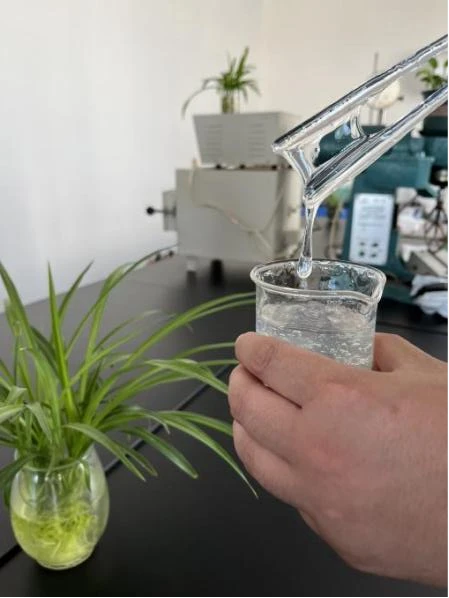
As someone who has experienced the discomfort of dry eyes, the search for a reliable ophthalmic solution can be daunting. The introduction of HPMC Ophthalmic Solution USP Lacrigel into the market has been a game-changer for many . This product, hailed for its effectiveness, adheres to stringent quality standards in ophthalmic care and offers substantial relief to individuals suffering from various ocular surface disorders. HPMC, or Hydroxypropyl Methylcellulose, is a key ingredient known for its viscosity-enhancing properties. This characteristic is crucial in ophthalmic solutions as it provides the necessary lubrication to the ocular surface, mimicking natural tears. But not all HPMC-based solutions are created equal; the formulation within Lacrigel stands out due to its optimal viscosity, which ensures prolonged contact time with the eye surface. This is particularly advantageous for individuals experiencing severe dry eye symptoms, as longer retention can offer extended relief and protection against environmental irritants. From a professional perspective, the expertise embedded in the creation of Lacrigel is evident. Developed by top-tier specialists in ophthalmology, the solution is rigorously tested to meet the highest standards of safety and efficacy. This endorsement from healthcare professionals is a testament to its reliability in treating conditions like dry eye syndrome, especially in cases where other treatments have failed to deliver satisfactory results. Authoritativeness is another pillar that supports HPMC Ophthalmic Solution USP Lacrigel's esteem in the market. It is not only recommended by eye care practitioners globally but also preferred by patients who have experienced transformative results firsthand. The formulation’s ability to restore moisture, alleviate irritation, and improve comfort cannot be overstated. With frequent use, individuals report noticeable improvements in visual clarity and a significant reduction in the scratchy sensation often associated with dry eyes. hpmc ophthalmic solution usp lacrigel Trustworthiness remains at the forefront of Lacrigel’s brand philosophy. Transparency in its formulation and thorough clinical evaluations assure users of its commitment to ocular health. In addition, its non-preservation formula is a critical factor for those who wear contact lenses or have particularly sensitive eyes. This makes Lacrigel an inclusive solution for a wider demographic, further cementing its position as a trusted product in the sphere of ophthalmic care. Experience shared by users highlight its ease of application and swift action. The gel consistency is particularly favored as it offers a balance between liquid drops and ointments, avoiding the blurriness often caused by the latter. For professionals with demanding schedules, such as pilots or office workers under constant exposure to digital screens, Lacrigel’s efficacy offers a reprieve, allowing them to maintain productivity without the distraction of dry, irritated eyes. Furthermore, it’s essential to recognize the importance of following a consistent eye care routine alongside using Lacrigel. Regular ophthalmologist visits, proper eye hygiene, and adequate hydration complement the benefits of this solution, enhancing overall eye health. Such a comprehensive approach ensures that while Lacrigel addresses immediate symptoms, underlying factors contributing to dry eyes are also managed effectively. In summary, HPMC Ophthalmic Solution USP Lacrigel is not just another product on the shelves; it is a refined, highly effective ophthalmic solution that aligns with the highest standards of eye care. Its formulation, backed by expert research and clinical validation, along with positive testimonials, underscore its position as a leading choice for managing dry eye symptoms. As individuals seek reliable solutions to enhance their quality of life, Lacrigel stands as a beacon of trustworthiness and efficacy in the dynamic landscape of ophthalmic healthcare.
-
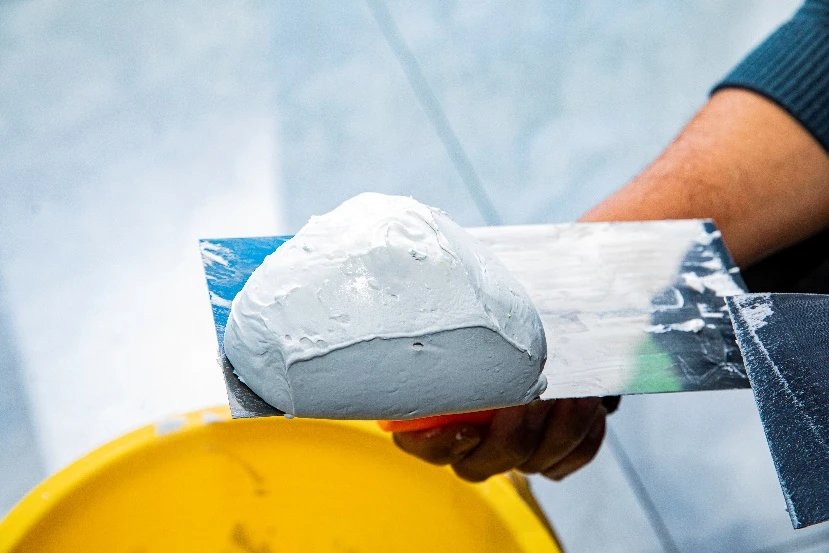
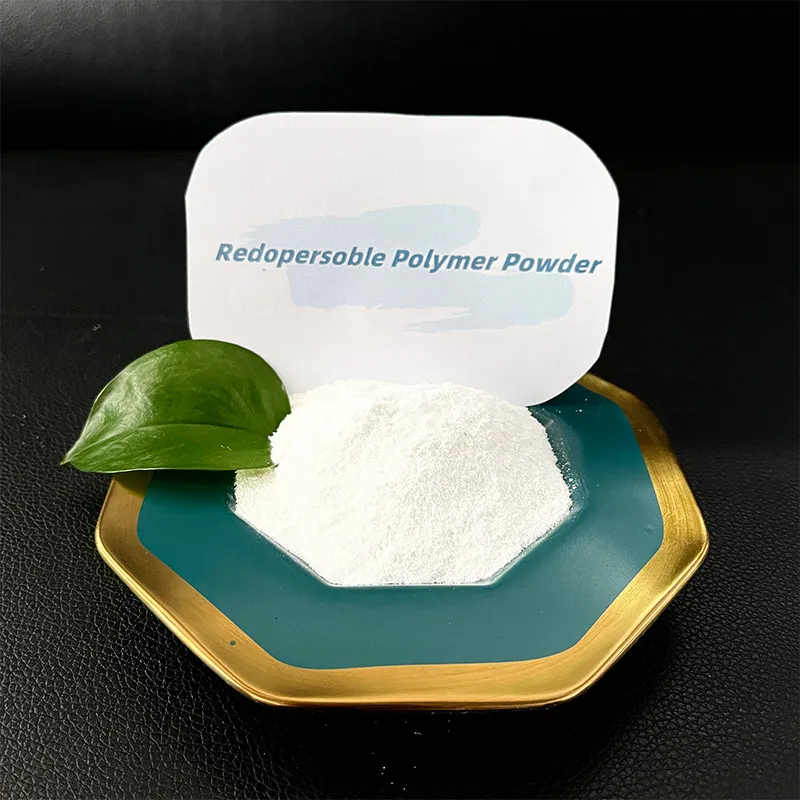
The unique behavior of starch ether in construction chemistry stems from deliberate modifications to the natural starch molecule. Derived from renewable plant sources like corn, potato, or tapioca, native starch possesses limited utility in demanding building applications due to its sensitivity to water, temperature, and enzymatic degradation. Through controlled chemical etherification – introducing alkyl or hydroxyalkyl groups (e.g., methyl, hydroxyethyl, hydroxypropyl) onto the glucose units – the resulting starch derivatives gain transformative properties. This process fundamentally alters the starch granule, enhancing water solubility, stabilizing viscosity, and imparting resistance to retrogradation (recrystallization) and enzymatic attack. Key among these starch derivatives is hydroxyethyl starch , where hydroxyethyl groups are grafted onto the backbone. This modification significantly boosts cold water solubility, improves electrolyte tolerance (crucial in cement systems), and enhances thermal stability compared to methylated counterparts. The molecular architecture dictates critical performance aspects like thickening efficiency, water retention capacity, adhesion promotion, and film formation – making starch ether a versatile and sustainable cornerstone in modern dry-mix mortars and plasters. Performance Advantages of Hydroxyethyl Starch in Mortars Hydroxyethyl starch exemplifies the optimized performance achievable within the starch ether family, offering distinct benefits for cementitious and gypsum-based systems: Superior Water Retention: Like all effective starch derivatives , hydroxyethyl starch significantly reduces water loss to porous substrates and evaporation. This ensures prolonged water availability for complete cement hydration or gypsum crystallization, preventing premature drying, plastic shrinkage cracking, weak surfaces, and poor adhesion. Its structure provides excellent film-forming ability over pore surfaces. Efficient Thickening and Rheology Control: Hydroxyethyl starch acts as a potent thickener, rapidly developing viscosity upon contact with water. This imparts desirable consistency, improving sag resistance on vertical surfaces, enhancing cohesion to reduce splatter, and providing smooth, buttery workability for troweling. The viscosity profile is often more stable under varying pH and salinity compared to some other starch ether types. Enhanced Adhesion and Cohesion: By forming flexible films at interfaces and within the mortar matrix, hydroxyethyl starch promotes stronger adhesive bonds to substrates (like concrete, brick, or insulation boards) and increases the internal cohesion of the material itself. This is vital for tile adhesives, renders, and plasters. Improved Open Time and Workability: Certain starch derivatives , particularly hydroxyethyl starch , can offer a beneficial balance between early viscosity build-up and extended workability. They help maintain plasticity and toolability longer than some cellulose ethers alone, allowing applicators more time for adjustment, especially in tile setting or large plaster areas. Synergy with Other Additives: Hydroxyethyl starch often exhibits excellent compatibility with common mortar additives like cellulose ethers, redispersible polymer powders, and air-entraining agents. Distinctive Benefits of Starch Derivatives Over Synthetic Polymers While synthetic polymers dominate some sectors, starch derivatives offer compelling advantages driving their adoption in building materials: Renewable and Sustainable Origin: Derived from annually renewable plant biomass, starch ether boasts a significantly lower carbon footprint compared to petroleum-based synthetics. This aligns strongly with growing demands for sustainable construction practices and green building certifications. Biodegradability: At the end of a building's life cycle, mortars containing starch derivatives offer improved potential for biodegradation compared to purely synthetic polymer-modified materials, reducing long-term environmental burden. Cost-Effectiveness: Generally, starch ether provides a more economical solution per unit of performance, particularly regarding water retention and thickening, compared to equivalent dosages of many synthetic cellulose ethers or redispersible powders. This enables formulators to achieve target performance at lower overall additive cost. Low Dusting and Improved Handling: Many starch derivatives are available in granular or agglomerated forms, significantly reducing dust generation during handling and mixing compared to fine cellulose ether powders, improving workplace conditions. Reduced Stickiness: Mortars modified with specific starch ether types, especially some hydroxyethyl starch grades, can exhibit less surface stickiness during troweling compared to mortars heavily reliant on certain cellulose ethers, leading to a smoother finish. FAQs about Essential Starch Ether How does hydroxyethyl starch compare to standard starch ether? Hydroxyethyl starch represents a specific, high-performance category within starch ether . The key difference lies in the etherification group: hydroxyethyl versus methyl or others. This hydroxyethyl group grants hydroxyethyl starch superior cold-water solubility, better tolerance to dissolved salts and ions (common in cement systems), higher viscosity stability across a broader pH range, and often enhanced resistance to enzymatic breakdown compared to methyl starch ether. These properties make hydroxyethyl starch particularly suitable for demanding cementitious applications where consistent performance is critical. Are starch derivatives strong enough for structural applications? Starch derivatives like starch ether are primarily functional additives, not strength-enhancing agents. Their core role is to improve fresh mortar properties (workability, water retention, adhesion) and reduce cracking. While they contribute to better hydration and cohesion, which indirectly support strength development, they do not significantly increase the ultimate compressive or flexural strength of hardened concrete or mortar like specific synthetic polymers might. Their use is most valuable in non-structural applications like tile adhesives, renders, plasters, joint compounds, and repair mortars where workability and durability are paramount. Will using starch ether make my mortar biodegradable? Incorporating starch ether enhances the potential for biodegradability compared to mortars relying solely on synthetic polymers. The starch derivatives component is inherently biodegradable under suitable environmental conditions (presence of microorganisms, moisture, oxygen). However, the mortar matrix itself, dominated by cement or gypsum and aggregates, is mineral-based and degrades very slowly through physical and chemical weathering, not biological processes. Therefore, while the organic additive fraction biodegrades more readily, the entire mortar piece does not become "biodegradable" in the common sense. It contributes to a reduced environmental footprint but doesn't eliminate the need for responsible demolition and disposal practices. Can starch ether completely replace cellulose ether? While starch ether , particularly hydroxyethyl starch , offers overlapping functionalities with cellulose ethers, complete replacement is often not straightforward or optimal. Starch derivatives excel in water retention and are highly cost-effective thickeners. However, cellulose ethers frequently provide superior film strength, better enzyme resistance in cement, and more predictable retardation profiles. The most effective strategy is often synergistic blending. Starch ether can replace a significant portion of the cellulose ether in many formulations, maintaining key performance aspects like water retention and workability while achieving substantial cost savings and leveraging sustainability benefits. The optimal ratio depends heavily on the specific application and performance requirements. Does temperature significantly affect starch ether performance? Yes, temperature significantly impacts starch ether performance. High ambient temperatures accelerate the setting of cementitious materials and increase water evaporation rates. The unique properties of starch ether , exemplified by specialized variants like hydroxyethyl starch , have secured its vital role in modern, sustainable building material formulations. As a key category of starch derivatives , it delivers indispensable functions: exceptional water retention safeguarding against cracking and ensuring proper hydration, efficient thickening for superior workability and sag resistance, and enhanced adhesion for durable bonds. Its renewable origin and biodegradability profile offer a compelling environmental advantage over purely synthetic alternatives, aligning with the construction industry's increasing sustainability mandates.
advantages
-

200000 Viscosities
Excellent product
We can produce pure products up to 200,000 viscosities
-

40000 tons
High yield
We don’t stop production all year round, and the annual output can reach 40,000 tons
-

24 hours
Quality service
We provide 24-hours online reception service, welcome to consult at any time
———— Inquiry Form
Schedule A services

-
 polyacrylonitrile_powder
Oct . 25, 2025
The Growing Importance of PP Fiber Concrete in Modern Construction In the ever-evolving landscape of -
 extraccion_de_celulosa_de_la_madera
Oct . 25, 2025
The Versatility and Benefits of Polypropylene Fiber Carpets Polypropylene fiber carpets have garnere -
 hpmc_e_15
Oct . 25, 2025
In the vast landscape of chemical manufacturing, Hydroxypropyl Methylcellulose (HPMC) stands out as


